
Items tagged with 'tech'
Future jobs, done by humans and not
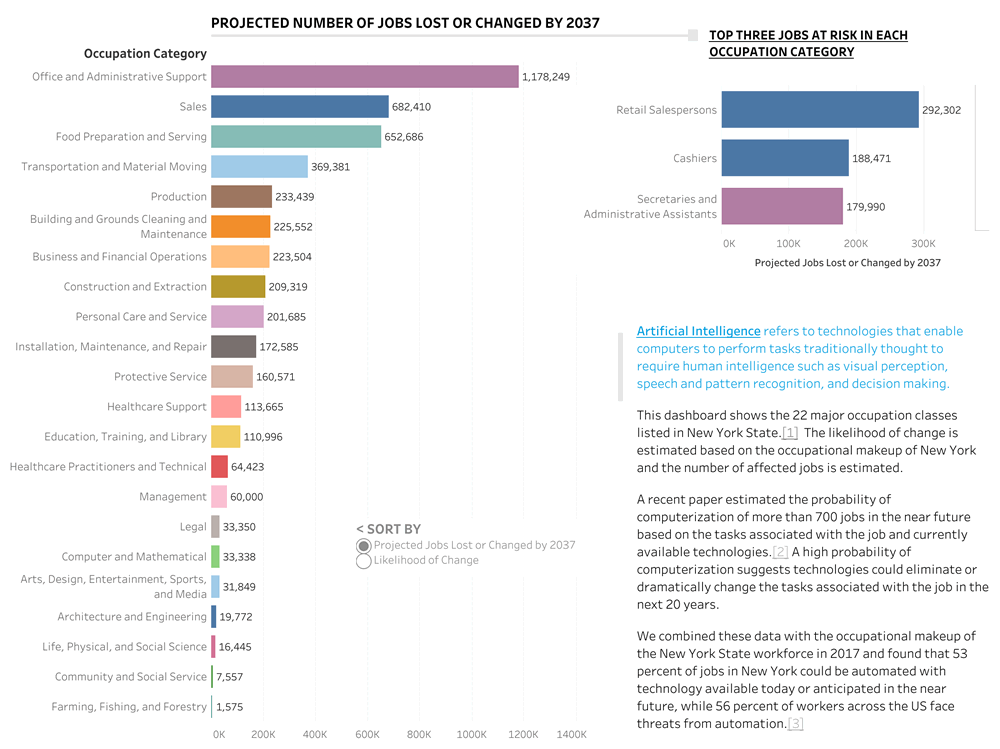
Roughly half of the jobs in New York State could be automated or otherwise significantly changed by artificial intelligence over the next 20 years. That's from an ongoing look at the issue by the Rockefeller Institute of Government here in Albany. From a post by Rockefeller's Laura Shultz:
The calculation is based on individual occupations. A recent paper by Frey and Osbourne estimated the probability of computerization of more than 700 jobs in the near future based on the tasks associated with the job and currently available technologies.[1] A high probability of computerization suggests technologies could eliminate or dramatically change the tasks associated with the job in the next twenty years. We combined these data with the occupational makeup of the New York State workforce in 2017 and found that 53 percent of jobs in New York could be automated with technology available today or anticipated in the near future, while 56 percent of workers across the US face threats from automation.[2]
Rockefeller has put together an interactive graphic that highlights the number of jobs -- by industry and type -- that could be affected around the state. (That image above is a static version of the graphic.) At the top of the list are office support, retail salespeople and cashiers, and food service -- potentially 2.5 million jobs lost or changed.
This struck us as a key clip from Shultz's post (emphasis added):
Growing a chair
Green Island-based Ecovative is one of the Capital Region's most interesting companies. For the past decade it's been developing ways of using mycelium -- mushroom roots -- to "grow" all sorts of materials that can replace things like styrofoam or leather.
In the clip embedded above, the company shows an experiment in making a chair using the mushroom root tech. It's interesting to watch how the process works -- and, also, that something not-quite working is part of the path.
Ecovative's mushroom root tech is now being used to make (not) leather

This is wild: Ecovative has partnered with a company in California to use its mushroom root tech to make a material that looks remarkably like leather.
That company -- Bolt Threads -- now has a Kickstarter for the first consumer product (tote bags) made with the not-leather, which it's calling Mylo. (That's one of the bags above in the photo.) The Kickstarter went live this week and is almost halfway to its $40,000 goal.
From a Bolt Threads FAQ:
We use corn stalks and supplemental nutrients to feed and grow our mycelium. We precisely control growth conditions like temperature and humidity to encourage the mycelium to grow upward and self-assemble into an organized mat of interconnected cells. Their connections give the material strength. We then use a natural tanning process and compress the mat to be as thin or thick as we'd like the final material to be. At this point the mycelium is no longer growing. The final step is to imprint any desired pattern, which gives us the final material. ...
Our friends at Ecovative pioneered this mycelium fabrication technology, which literally grew out of the great work they've been doing in creating soft flexible foams. We were blown away, and thrilled when they agreed to allow us to help develop it into a commercially viable new material. We've established a long-term partnership with Ecovative to optimize this technology and put processes in place to produce commercial-ready Mylo™ material and bring products to market that consumers will love.
As you know, Ecovative was started by two RPI grads about a decade ago and it's now based in Green Island. It uses what are essentially mushroom roots to bind leftover agricultural materials into various environmentally-friendly packing materials and fiber boards. The tech has gotten the company international attention, and it's been used in all sorts of projects.
photo via Bolt Threads Kickstarter
Artificial tulips
More AI tulips!!! With the larger dataset I've made and spectral normalisation I'm able to get much more variety in the type of tulips it produces. pic.twitter.com/19vhpyLwDj
— anna ridler (@annaridler) June 1, 2018
This is random and weird and kind of wonderful, and because tulips...
An artist in the Netherlands named Anna Ridler is working on a project in which she's training an alogrithm to create tulips. It's called "Mosaic Virus" and it's a commission for the Impakt Festival in Utrecht later this year (festival theme "Post-Truth"). Blurbage from her website:
Drawing historical parallels from "tulip-mania" that swept across Netherlands/Europe in the 1630s to the speculation currently ongoing around crypto-currencies, this video work is generated by an artificial intelligence (AI). It will show a tulip blooming, an updated version of a Dutch still life for the 21st century. The appearance of the tulip would be controlled by bitcoin price. "Mosaic" is the name of the virus that causes the stripes in a petal which increased their desirability and helped cause the speculative prices during the time. In this piece, the stripes will depend on the value of bitcoin, changing over time to show how the market fluctuates.
Here's a video that might provide a better look.
The streaked tulips that result from this virus -- such as the famed Semper Augustus -- are called "broken tulips."

How Albany does not have a bar called The Broken Tulip, we do not know.
[Via the whims of the Twitter recommendation algorithm, maybe because of Abe? Who knows.]
Earlier:
+ Portraits of tulips
+ Because it's park furniture shaped like a tulip
E-bikes stretch the idea of what a bike can be in interesting ways, but they're stuck in a gray area here in New York
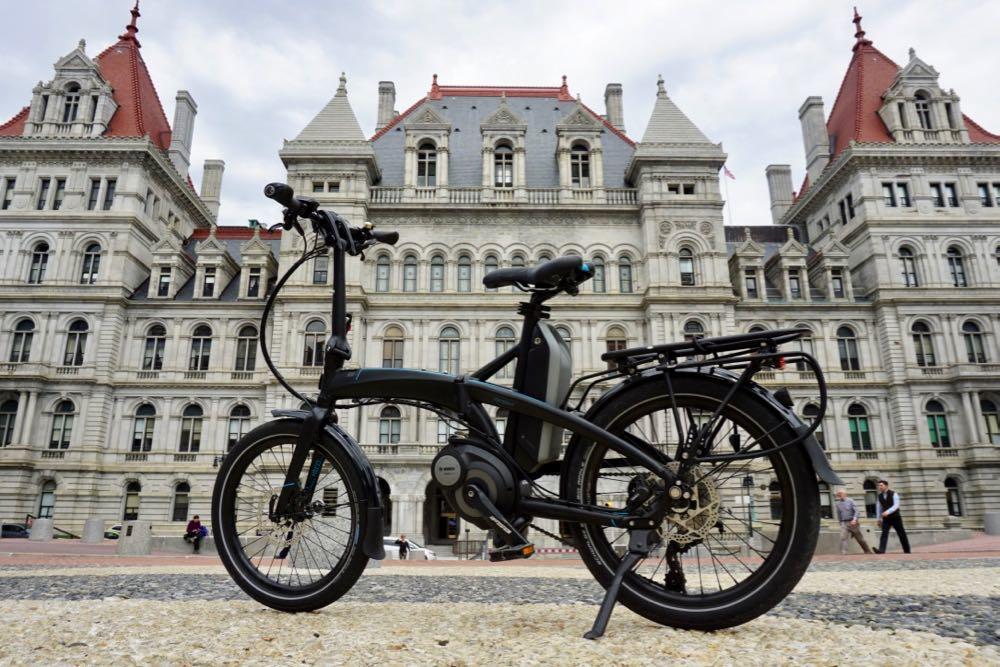
Bikes can be a good way to get around. They don't take up a lot of space on roads. They're environmentally friendly. They're fun.
There are also some drawbacks that prevent people from embracing bikes as an everyday transportation option: the relatively slow speed of travel, the sweat, just the general physical exertion of riding.
E-bikes -- which give riders a little help thanks to an electric drive -- can address a lot of these issues. Riding one feels a little bit like magic. And their popularity is on a big upswing.
But there's a snag: New York State doesn't have clear rules for e-bikes.
And that casts some doubt on their future here.
At the new Zebra Bras in Troy, the measuring tape is a 3D scan

If you are a bra-wearer, you already know the struggle to find the right size bra.
Standard sizing does a poor job of accommodating non-standardized bodies, and misinformation is rampant. Many women don't know what a properly-fitting bra is even supposed to feel like, and uninformed employees at mall stores often measure incorrectly.
But maybe all of that will soon be a thing of the past.
Sure, custom bras have been around for a while, if you're willing to spend enough cash. But recent innovations in 3D scanning and printing have the potential to eliminate issues with fit.
Zebra Bras is a new business in downtown Troy that uses 3D printing and scanning to create bras that are customized to your body. I talked with owner Hannah Johnson about how it works...
Virginia Eubanks and Automating Inequality at Market Block Books
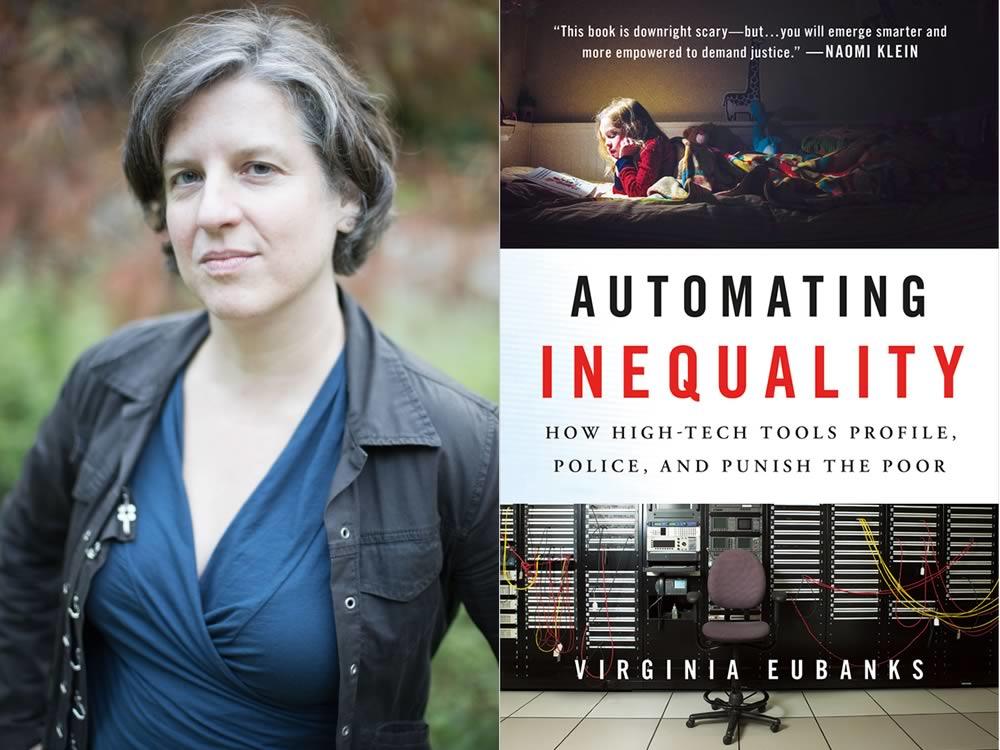
One of the hottest books of the moment right now about the intersection between tech and government and society is Automating Inequality by Virginia Eubanks, an associate professor of political science at UAlbany and a Troy resident. And Eubanks will be at Market Block Books in downtown Troy March 31 to talk about the book.
Automating Inequality: How High-Tech Tools Profile, Police, and Punish the Poor was released in January, and it's gotten a string of high-profile coverage and strong reviews in outlets ranging from NPR to Wired to Vox to Boing Boing. Book blurbage:
Since the dawn of the digital age, decision-making in finance, employment, politics, health and human services has undergone revolutionary change. Today, automated systems--rather than humans--control which neighborhoods get policed, which families attain needed resources, and who is investigated for fraud. While we all live under this new regime of data, the most invasive and punitive systems are aimed at the poor.
Automating Inequality systematically investigates the impacts of data mining, policy algorithms, and predictive risk models on poor and working-class people in America. The book is full of heart-wrenching and eye-opening stories, from a woman in Indiana whose benefits are literally cut off as she lays dying to a family in Pennsylvania in daily fear of losing their daughter because they fit a certain statistical profile.
The event at Market Block is Saturday, March 31 at 11 am. It's free.
By the way: You might remember Eubanks from her article in The Nation a year or so back about Troy, the effects of Irene, and the future of flood insurance.
author photo: Sadaf Rassoul Cameron
Family Electronic Textiles Workshop / MomUp! Raising Kids Who Code at TVCOG
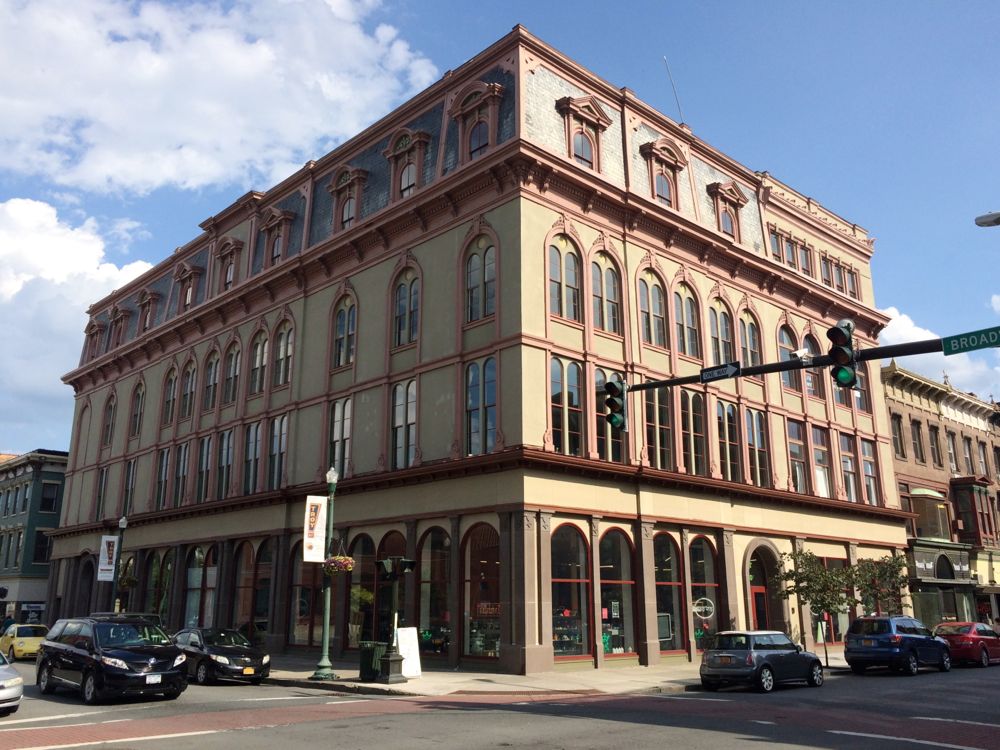
TVCOG is in the Quackenbush Building in downtown Troy.
This looks like it could be fun: The Tech Valley Center of Gravity and its THINQubator program for kids is hosting a Family Electronic Textiles Workshop this Sunday, February 4. Blurbage:
In this project based workshop Youth-Adult pairs will learn together about electronic textiles (e-textiles) working with conductive thread, sewable batteries, LEDs, and microcontrollers to make a plush monster with a glowing heart to take home. Adult participants will also gain info on where to buy parts for future projects, and get links to lessons for other e-textiles projects. No previous sewing experience is necessary. The workshop is geared to kids 8 and above, but younger ages are welcome if the accompanying adult feels the child will be able to handle this level of activity.
The workshop is from 1-4 pm. The registration fee is $55.
MomUp! Raising Kids Who Code
Also that Sunday: TVCOG has a program called "MomUp! Raising Kids Who Code" from 9-11 am. Blurbage (link added):
It's like you can almost smell the pizza
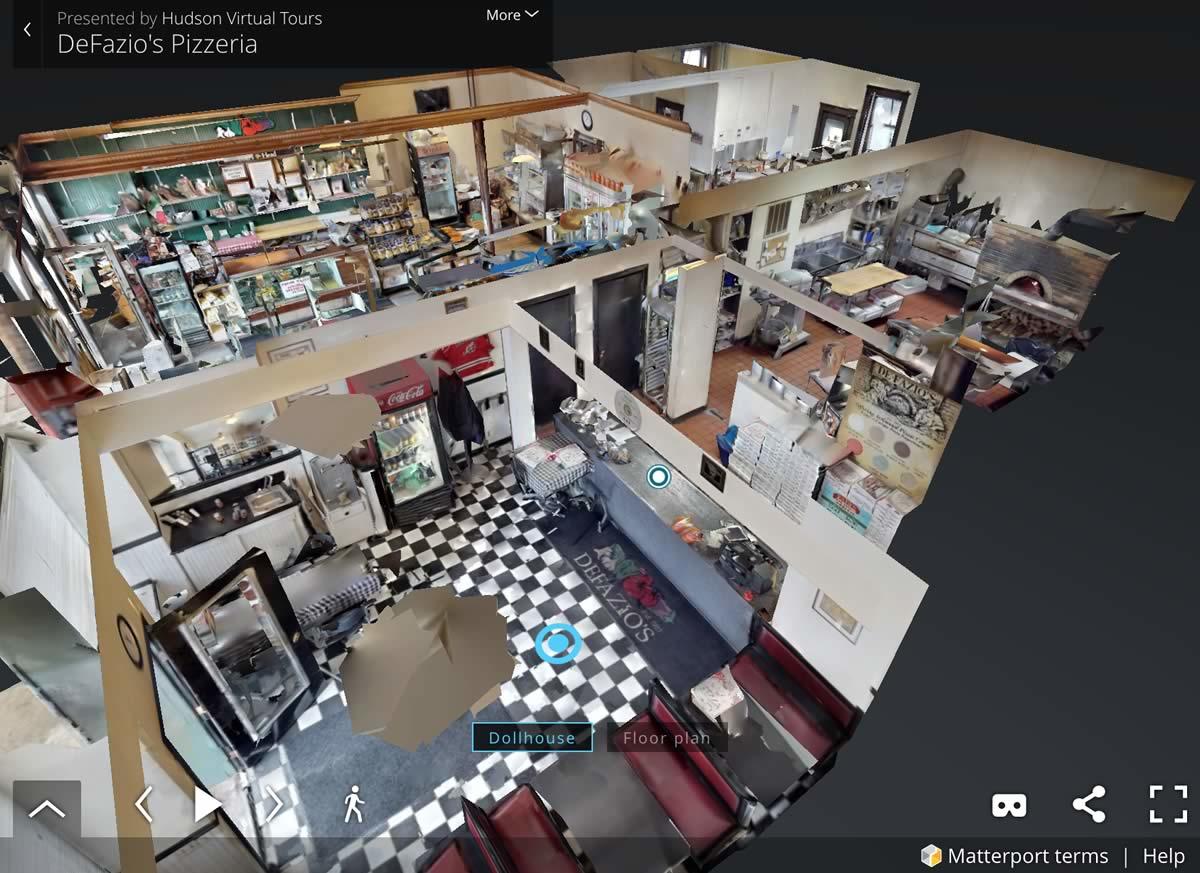
A screengrab from the DeFazio's tour.
This is fun: A Troy-based company -- Hudson Virtual Tours -- is creating 3D/virtual reality walkthroughs of spaces.
It's posted a handful of examples from around Troy, including The Clark House establishments, the Burden Iron Works Museum, and St. Paul's Church.
The image above is a screengrab from the "dollhouse" view of the virtual tour of DeFazio's. It's interesting to be able to "walk" around the shop and the kitchen spaces, gawking at all the little details. (Don't miss the Tournament of Pizza trophy.)
One of the backers of Hudson Virtual Tours is Owen Bush, who was involved with the Troy-based virtual reality company SpaceoutVR. They're using the Matterport 3D camera to capture the spaces.
There's at least one other local company doing something similar, the Colonie-based Filmworks 109. It's also posted a few examples, including a walkthrough of Franklin Plaza decked out for the holidays.
Hack Tech Valley
 The Hack Tech Valley hackathon will be at Schenectady County Community College February 10-11. Registration is now open for the event, which is being sponsored and hosted by the Schenectady-based company Transfinder.
Hackathon, you say? Event blurbage:
This 24 hour hackathon will be open to students (18+), professionals, and anyone that wants to put their development skills to the test. You and your team will work through the night to create an app that will wow, impress and inspire your fellow developers and the judging panel. The weekend will begin with the challenge reveal during Opening Ceremonies, coding will start immediately following opening remarks and continue until hour 24! All submitted apps will be presented, judged and awards will be presented during closing ceremonies.
Throughout the competition participants will be provided meals, snacks and yes, lots of coffee and energy drinks. Along with the main competition, Hack Tech Valley will have several categories open for prizes. Need a break from all of the coding? Check out one of the games or other side challenges.
Organizers the prizes for the competition are valued at $5,000. Transfinder says it's expecting as many as 300 participants.
Here are the details about registering. And, as with anything like this, if you're interested it's worth taking the time to read the rules.
The Albany Police Department is starting up its officer body camera program
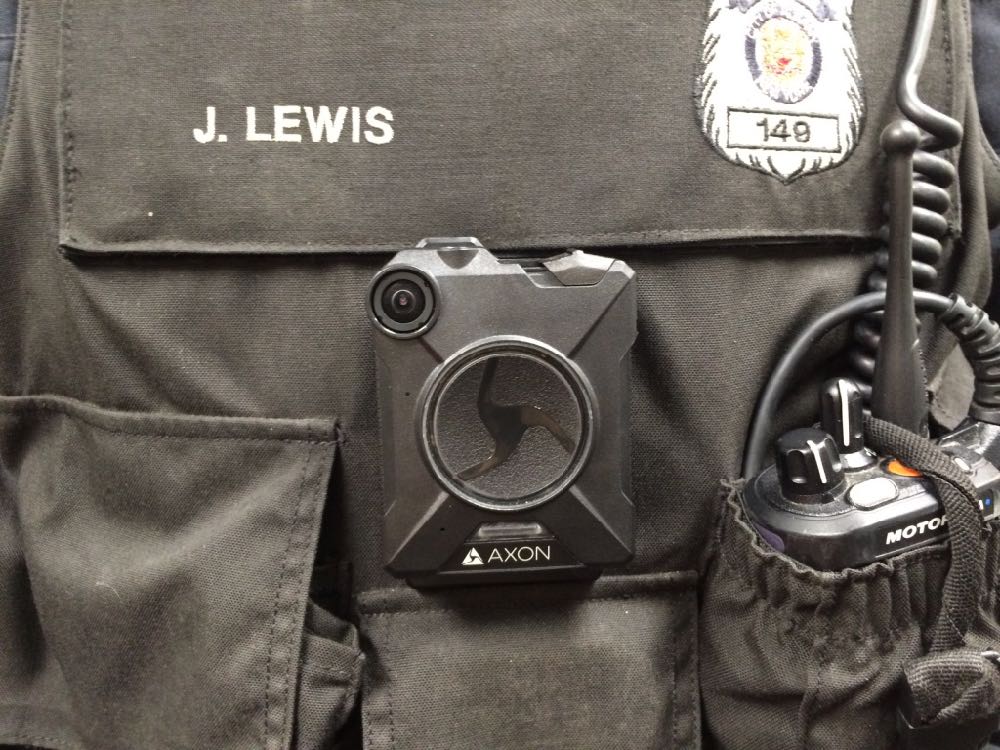
One of the officer-worn body cameras that Albany police will be using.
Updated
A handful of Albany police will be routinely wearing body cameras starting this Monday, the police department formally announced Friday. APD will eventually be rolling out cameras to more than 250 officers in the months ahead.
The debut of the cameras as part of officers' regular gear is the culmination of process the department's been working on since 2015.
The cameras hold the promise of potentially adding increased clarity and accountability to interactions between police and members of public -- but they're not without limitations.
Juice for electric vehicle sales
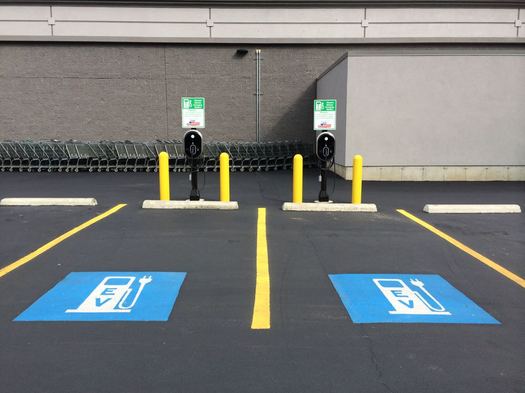
The number of electric vehicles sold in New York took a big percentage jump during the first half of this year, according to the Cuomo admin. Sales were up 61 percent from January to June 2017 compared to the same period in 2016.
The administration attributes to the jump to the new electric vehicle rebate the state started offering this spring. New York State is now offering up to $2,000 for qualifying vehicles, bringing the total potential federal and state rebate to $7,500. The Cuomo admin points to a sharp uptick in sales this year after the rebate started (sales January to March were up 44 percent compared to 2016, and up 74 percent April to June.)
The total number of electric vehicles sold in New York State during the first half of this year: 4,209. And through the end of August, there have been 2,332 "Drive Clean Rebate" applications submitted.
Albany Can Code fall 2017 classes
 Albany Can Code -- the local non-profit focused on helping people transition into careers in software development -- has opened applications for its fall courses, which start in October.
What is Albany Can Code? Blurbage:
We are a not-for-profit organization founded in June 2016, dedicated to the vision of a talent-fueled pipeline for our region's software sector. To build this pipeline, we work with employers, educators, and community organizations to identify, train, and advocate employment of people with the skills to work in software and IT jobs.
The goal is to remove the economic and cultural barriers to working in technology. We want our region to have an inclusive, vibrant, and expert pipeline of technologists. Part of that mission involves changing mindset in our region about who can be a technologist, and how to evaluate candidates for technology jobs.
The classes being offered this fall are front-end and back-end web development. That is, one class about the code displaying stuff online (HTML, CSS, Javascript, and so on) and one class about the virtual machines that turn out stuff online (servers, databases, and so on). The front-end development course is at the SCCC facility in downtown Albany, the back-end classes are at SCCC in Schenectady. The classes are in the evenings.
Tuition for the classes is $1,500. Help in getting financial assistance is available through SCCC.
Here's an FAQ for potential students.
photo via AlbanyCanCode Facebook
Listening Here
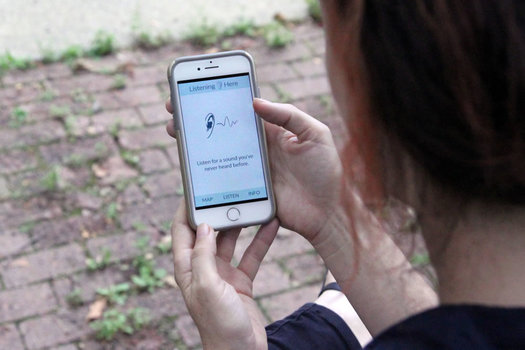
A new project focused on what Albany sounds like is launching September 1. Listening Here -- a web app -- is the creation of composer/sound artist Stephanie Loveless and composer/technologist Cristyn Magnus. Blurbage:
Created utilizing input from over 100 community members, "Listening Here" promotes attention to environmental sounds; utilizing written prompts tailored to the user's geo-location, people can experience the variety of unique and engaging sounds in the Capital City. As an example, Loveless and Magnus point to the difference in how crowds sound on a street corner compared to the space under The Egg at the Empire State Plaza. ...
The app has been in the works since 2016, but the seed was planted long before that as Loveless and Magnus met 10 years ago, in a class on Deep Listening, the philosophy and practice of Sonic Awareness developed by renowned American composer and Rensselaer Polytechnic Institute Professor Pauline Oliveros.
About the genesis of the project, Loveless says "We started our project with questions like what sounds matter to people in Albany? What does our city sound like? What happens when we take the time to listen?" The project incorporates input from over one hundred locals and hours of walking around Albany with a portable recorder. "Sound is around us all the time, and it affects us physiologically and psychologically, but we rarely take the time to listen. Our app encourages people to take off their headphones, step out of their cars, and really listen to their environment."
If you'd like to contribute to the project, there's an Albany sound memory survey online. It asks about sounds people hear in the city.
The launch party for the project is Friday, September 1 at the Albany Center Gallery at 6 pm. You'll be able to try out the app, take listening tours with artists, and participate in interviews about sounds in Albany.
photo: Rose Mitchell-Tenerowicz
Search Albany
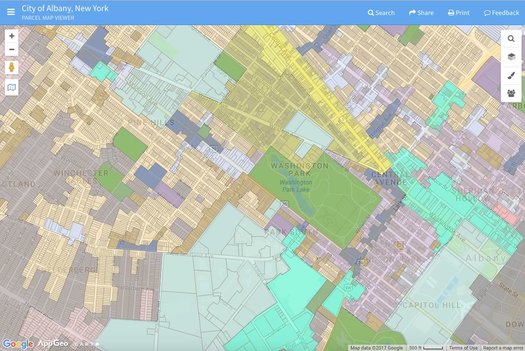
The city's new zoning map as displayed through Search Albany.
The city of Albany unveiled a new online tool -- called Search Albany -- for accessing all sorts of info related to properties around the city Tuesday.
It's basically a map through which you can access details about individual properties -- such as the name of the owner -- as well as neighborhood-level info such as zoning districts and Common Council wards.
The best way to get a feel for it is to just play around with it, so go for it.
But here are also a few quick things about it...
Self-driving car to test in Albany

A photo of an Audi self-driving car distributed by the Cuomo admin.
Audi will begin testing of autonomous vehicle technology -- a self-driving car -- in Albany near the Capitol June 13, the Cuomo admin announced Wednesday. Press release blurbage:
Included in the FY 2018 Budget, new legislation allows for testing autonomous technology through a year-long pilot program. Audi of America Inc. was the first company to apply for the rights to demonstrate this technology in New York and the first to be approved under the program. The technology they plan to demonstrate in the Capital Region is considered to be a Level 3 in autonomous vehicle operations by the Society of Automobile Engineers, meaning it is capable of safely allowing hands-free driving at posted highway speeds, but requiring a person to take over if required. Two trained engineers will be in the vehicle to monitor the system and ensure safety, one in the front seat and one in the back seat. The vehicle has already logged thousands of miles on highways across the U.S. safely.
That "level 3" is halfway along the SAE's scale from no automation all the way up to fully-automated, self-aware vehicle that swears at you when you cut it off.
The conventional wisdom right now is that self-driving cars are The Future. And pretty much every car company -- along with companies such as the Google affiliate Waymo -- are working on the tech. (Ford recently sacked its CEO, apparently in large because a deal fell through with Google on self-driving tech.) [Automotive News]
The implications of having cars that can drive without humans opens up a range of possibilities, including greater safety and convenience. But it also raises questions about the future of public transit, how cities are designed, commuting, and jobs. [Quartz]
For example, to link this to another hot topic here: Uber has been vigorously pursuing self-driving tech, presumably to eliminate human drivers, and the cost of paying them, from the service in the future (with all the usual Uber drama). [NYT x2]
Earlier: Four trends shaping the way people will get around the Capital Region in the future
Albany police planning to start using body cameras this summer
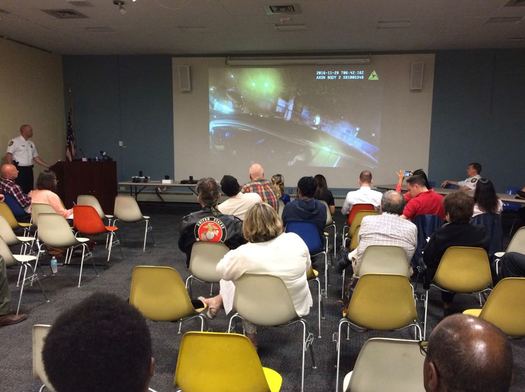
The crowd watching sample video at Tuesday's meeting.
The Albany Police Department has a plan to start deploying body cameras to all its officers this July.
The details of the rollout of the cameras -- and how they'll be used -- were the main topic of a presentation by acting police chief Bob Sears at an Albany Community Policing Advisory Committee forum at the Albany Public Library Washington Branch Tuesday evening. Sears also took a bunch of questions from the crowd in discussing the department's policy for the tech.
Here are a few more bits about the much-anticipated program...
A "self-sustaining, power-generating island unto itself" in Albany

The Empire State Plaza is set to become "a self-sustaining, power-generating island unto itself" as part of a plan formally announced by the Cuomo admin Monday to build a power plant and microgrid for the ESP buildings. In other words, the ESP is basically getting its own power plant and if there's a power outage, it'll still be able to have power.
And that's a good thing. The ESP is the location of many state operations. But the really interesting part of all this might be what this project sets up for other parts of downtown Albany in the future...
Albany police forum to talk about officer body cameras
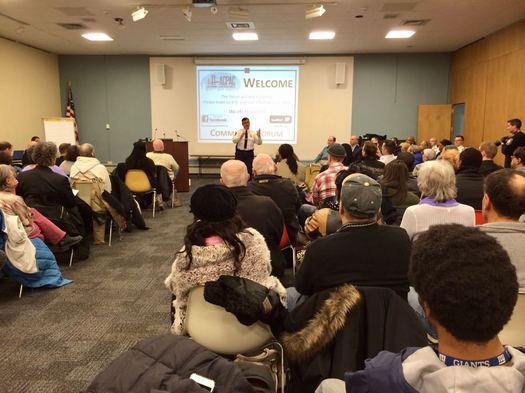
From one of the public events last year.
There's a public forum Tuesday, May 23 to talk about the Albany Police Department's work toward using officer body cameras. The meeting -- organized by the Albany Community Policing Advisory Committee (ACPAC) -- is at the Albany Public Library's Washington Ave Branch at 6 pm.
The APD has been looking at whether/how to use body cameras for more than a year now. And last summer it released a draft policy last summer. And this past fall it began a pilot test of body cameras from four different vendors. The city has a federal grant to help cover the cost of an eventual program, which is expected to be expensive.
Police body cameras are an important topic. Advocates of the tech have touted the cameras as a tool for increasing accountability of police and helping to provide more certainty about what happens during interactions between officers and the public. But use of the cameras also prompts questions about privacy, perspective, and who gets to interpret the resulting images.
ACPAC has two public events about the issue last year -- both were well attended. And not only did people show up, they were ready with insightful, sometimes tough, questions for the department. So this is another opportunity to offer feedback.
State troopers in Albany
Tracking trucks in Albany's South End
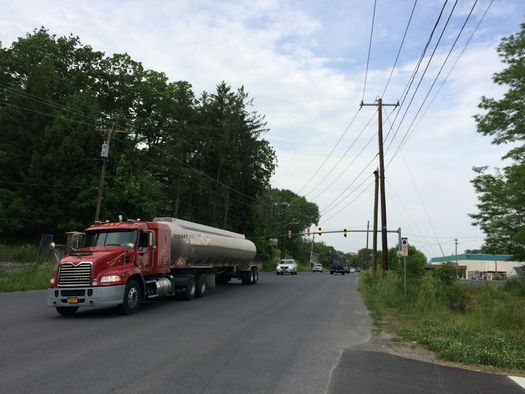
South Pearl Street last summer.
People in Albany's South End have long been calling for attention and resources to focus on air quality and other environmental health issues in the neighborhood. And there's a project coming up that's using an interesting tool to study truck traffic along the South Pearl Street corridor -- one of the factors related to air quality.
The city of Albany and the Capital District Transportation Committee will be using automatic license plate readers to better understand how trucks move through the neighborhood. From a CDTC press release:
Instead of assigning people to record license plate numbers at several locations for 24 hours a day for 1-2 days, this survey will install and use automatic license plate readers (ALPRs) over a longer period of time to obtain the same data, in greater quantity with more reliability.
The goal of the survey is to identify truck travel patterns and generators, and to develop possible alternative routes. The data collected will only be used for these purposes. ...
The study area will be bounded on the north by the intersection of Green Street and 4th Avenue, on the west by South Pearl Street, on the south by the City of Albany boundary, and on the east by Smith Boulevard and Church Street in the Port of Albany. The ALPRs will be installed at 6 intersections in this area. The project is expected to be completed in September 2017 with a final report.
CDTC will be working with a company called FES Installations to study the data generated by the 15 license plate readers.
This is a different sort of use for the technology that the one for which it's been most famous in recent years: Law enforcement agencies have made extensive use of license plate readers over the past decade, scooping up huge amounts of data about where vehicles have been spotted, including here in New York State. That's prompted debates about how the tech should -- or should not -- be used, and some of the civil liberties and ethics issues involved. [Democrat and Chronicle] [TU] [The Atlantic]
New York State is now offering a rebate for electric cars
The EV charging stations outside the Market32 on Madison Ave in Albany.
The Cuomo admin officially launched a rebate for electric cars Tuesday -- New York State will now chip in up to $2,000 for qualifying vehicles. That's on top of federal of a federal tax credit that's worth up to $7,500.
Press release blurbage:
$55 million of the Drive Clean Initiative is dedicated to rebates of up to $2,000 for purchase of a new plug-in hybrid electric car, all-electric car or hydrogen fuel cell car. In addition to the $55 million in rebates, $15 million will support improving consumer awareness of electric cars and their many benefits, installing more charging stations across the state, developing and demonstrating new electric car-enabling technologies, and other efforts to put more electric cars on New York's roadways. The initiative will be managed by the New York State Energy Research and Development Authority and will help the state achieve its goal to reduce greenhouse gas emissions 40 percent by 2030.
The rebate can be applied to more than 30 different models of vehicle, though the amount slides based on the all-electric range of the car. Also: If the vehicle is more than $60k, the rebate is just $500 regardless of range. (Let's face it, if you can afford a Tesla a rebate's probably not going to sway you.)
Checking in on UAlbany's plan to convert the Schuyler Building in Albany into the home of its new engineering college

A UAlbany rendering of what the converted building could look like.
It was just about a year ago that UAlbany officially announced a plan to turn a former Albany school district building next to its downtown campus into the home for the new College of Engineering and Applied Sciences.
The idea behind the $60 million project is that the conversion of the Schuyler Building would not only provide space for growing a public option for engineering education in this area, it would also be an injection of activity right into the city's midsection that could help set the surrounding neighborhood on a new, vibrant path. And UAlbany has been seeking $20 million from the state go get things going.
So, how's that coming along?
A step toward the new 838 area code
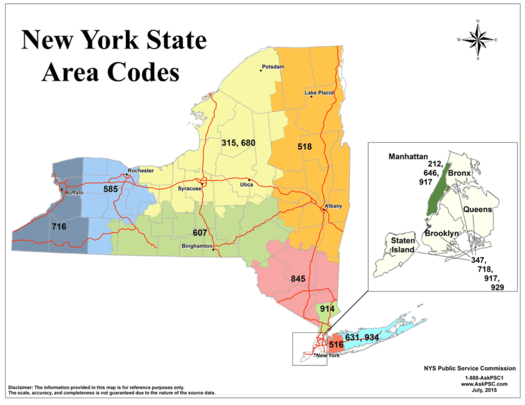
The new area code for this part of New York State is set to start in September. And the first (small) changes for telephone users connected to the new 838 area code begin later this month. From a state Public Service Commission press release blurbage:
As an intermediate step in the implementation of the new area code, a permissive dialing phase begins March 18, 2017, which will allow customers to dial either 7-digits or 10-digits (area code plus 7-digit local telephone number) on calls within the 518 area code; calls to other area codes must still be dialed as 1+ ten digits. The permissive dialing period will end on August 19, 2017, at which time callers will be required to dial 10-digits (area code plus 7-digit local telephone number).
Beginning September 19, 2017, customers in the 518 area code region requesting new service, an additional line, or a move in the location of their service, may be assigned a number in the new 838 area code.
In other words, this is all to get people accustomed to using 10-digit numbers ahead of when they'll actually have to use them.
Oh, and the other way looking at that September date is that it's the deadline for getting a new phone number with a 518 area code -- if, for some reason, that's important to you.
838? What is going on?
Here's the short backstory to all this...
Open Data Day hackathon at TVCOG
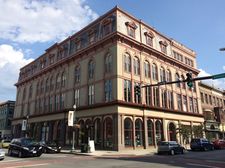 The Tech Valley Center of Gravity in Troy is hosting an Open Data Day hackathon this Saturday, March 4. Blurbage:
Open Data Day is a collection of local gatherings of open government advocates, developers, programmers, statisticians, and citizens who want to build things with and promote the use of open data. ... Join us at Tech Valley Center of Gravity from 9AM to 3PM! In addition to a hackathon, we're planning quick talks and workshops to introduce participants to the concepts and tools essential to working with open data.
We hear from organizer Ursula Kaczmarek that there's still some space left for people who'd like to participate. Also: "The event is free and we'll provide all the coffee and sugary snacks people need to participate."
Here's how to register.
Access to public information is becoming a modern civil right. Finding ways to make this sort of info easier to access and use for all sorts of people is a worthy goal.
TVCOG advertises on AOA.
Applications open for AlbanyCanCode spring classes
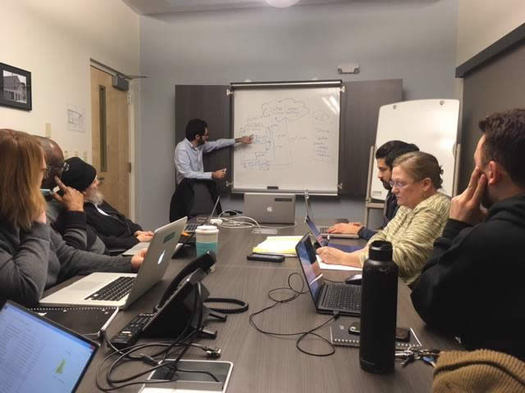
AlbanyCanCode -- the local non-profit focused on helping people transition into careers in software development -- is currently accepting applications for its spring courses. The application is a short online survey that asks a few biographical questions, along with few a skills assessment questions.
What is AlbanyCanCode? Blurbage:
AlbanyCanCode, was established in the summer of 2016 to serve two key stakeholder groups: local employers of software and IT professionals, and local folks who have the aptitude to work in software but lack local options for training. Our initial 12-week course in Front End Web Development attracted more than 80 applicants. A majority of the ten final students were income-qualified for a full grant of the $1,500 tuition. Following course completion in late January 2017, nearly half of our students have now been hired or are in the process of interviewing for internships at area software employers
The classes on the slate for this spring are front-end web development (HTML, CSS, JavaScript, jQuery, Bootstrap) and back-end web development (PHP, MySQL, Python, Ruby). (With those two groups of skills, you can build a bunch of stuff online.) The courses start in April.
And if you're an employer or educator, it sounds like AlbanyCanCode would be happy to hear from you about potential partnerships.
photo via AlbanyCanCode Facebook
... said KGB about Drawing: What's something that brought you joy this year?